
Well Water Testing in New Hampshire: What Home Buyers Should Know Before Closing
Lisa Brouillette, REALTOR® | The Valley Realty | August 28, 2026
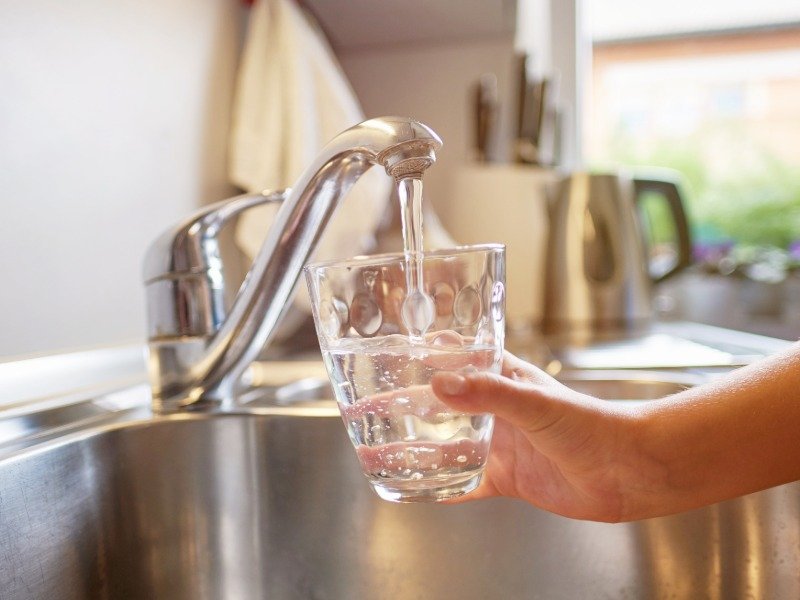
If you are researching well water testing New Hampshire before buying a home, especially an older home, rural property, second home, mountain-area home, or lake-area property, private well water should be part of your inspection and due-diligence plan. A private well is not automatically a problem, but buyers should understand what is in the water, whether the well appears to produce enough water for normal use, what testing may be required by a lender, and what they will be responsible for after closing.
Key Takeaways
- Private wells are common in New Hampshire: Many homes outside municipal water areas rely on their own well, which means water quality becomes the homeowner’s responsibility.
- Testing should happen during the inspection period: Buyers should order well water testing early enough to receive and review results before important contract deadlines.
- A basic bacteria test may not be enough: In New Hampshire, buyers often need to think about bacteria, nitrate/nitrite, arsenic, uranium, radon, lead, copper, PFAS, and other location-specific concerns.
- A concerning result does not always end the deal: Some water issues can be treated, negotiated, retested, or addressed before closing.
- Well ownership continues after closing: A passing test is a snapshot in time, not a lifetime guarantee. Private well owners should plan for ongoing testing and maintenance.
Why Well Water Testing Matters in New Hampshire
When buyers think about inspection issues, they often think about the roof, foundation, septic system, or heating system. Well water belongs in that same conversation, because private well ownership is different from turning on the tap in a home served by a municipal water system. With public water, the system is monitored by a town, city, or water supplier. With a private well, the homeowner is responsible for knowing whether the water is safe to drink and whether the system is working properly, and that responsibility transfers to the buyer at closing.
New Hampshire’s Department of Environmental Services recommends that private well users test their water regularly. Buyers should not assume that clear water is safe water. Some contaminants have no taste, smell, or color, so the only way to understand what is in the water is to test it through an appropriate lab or qualified testing professional. This is especially important in New Hampshire because naturally occurring contaminants such as arsenic and uranium can be found in private wells, and other concerns may depend on location, nearby land use, well construction, plumbing, and past property history.
When Buyers Should Order Well Water Testing
Well water testing should usually happen during the inspection and due-diligence period, not right before closing, because the results only help you if you still have time to respond. If something comes back with a concern, you may need a retest, a treatment estimate, a conversation with your lender, or a negotiation with the seller before your contingency deadlines expire. Waiting until the end of the transaction can leave everyone scrambling, especially if the loan program requires water-quality documentation before approval.
A good local buyer’s agent will help keep the timing practical. The goal is not simply to order a test and check a box. The goal is to receive the results early enough that you can understand them, ask better questions, and make a thoughtful decision before you are committed to moving forward.
| Step in the Process | What Buyers Should Do |
|---|---|
| Offer stage | Make sure well water testing access and timing are included in the purchase agreement. |
| Inspection period | Schedule the water test early, ideally around the same time as the home inspection. |
| Lab testing | Use an accredited lab or qualified testing professional, especially if financing is involved. |
| Results received | Review the results before your inspection or due-diligence deadline. |
| If concerns appear | Ask questions, get professional guidance, and decide whether to negotiate, retest, treat, or move forward. |
What Should New Hampshire Home Buyers Test For?
A bacteria-only test may answer one question, but it does not answer every water-quality question a buyer should be asking. The right testing panel can depend on the property, location, loan type, lender requirements, and any known local concerns. Buyers should confirm the appropriate test list with their lender, inspector, lab, or water-testing professional instead of assuming that one basic test covers everything that matters.
In many New Hampshire purchases, the conversation may include the items below. The goal is not to test for everything possible just to be exhaustive. The goal is to choose a testing plan that makes sense for the specific home, the specific location, the buyer’s financing, and the buyer’s comfort level.
| What to Test For | Why It Matters |
|---|---|
| Total coliform bacteria | May indicate that surface water or other contamination is entering the well. |
| E. coli | Can indicate fecal contamination and requires immediate attention. |
| Nitrate / nitrite | Can be associated with septic systems, fertilizer, runoff, or other sources. |
| Arsenic | A known concern in some New Hampshire private wells and not detectable by taste or smell. |
| Uranium | Can occur naturally in groundwater and may require treatment if elevated. |
| Radon in water | Can be a concern in some areas and may need separate testing. |
| Lead and copper | Can relate to plumbing, water chemistry, or corrosion concerns. |
| PFAS | May be recommended depending on location, known risk areas, or buyer concerns. |
| pH, hardness, iron, manganese | Can affect plumbing, staining, taste, treatment needs, and everyday use. |
What Happens If the Well Water Test Comes Back With a Concern?
A failed or borderline water test is not always a reason to walk away, but it should not be brushed aside either. Some issues are fairly straightforward. For example, bacteria may sometimes be addressed through well disinfection and retesting. Other issues, such as elevated arsenic, uranium, PFAS, or radon, may require a more specific treatment system and a clearer understanding of long-term maintenance.
This is where buyers need more than a lab report. They need to understand what the results mean in the real estate transaction. Can the issue be treated? Should the seller address it before closing? Is a credit appropriate? Does the lender need a passing retest? Will the buyer be comfortable maintaining the system after closing? Those answers depend on the specific contaminant, the property, the contract, the lender, and the buyer’s comfort level.
| Test Result Concern | Possible Buyer Next Step |
|---|---|
| Bacteria present | Ask about disinfection, retesting, and whether there may be a source issue. |
| Elevated arsenic or uranium | Get treatment options and cost estimates before deciding how to proceed. |
| PFAS concern | Ask for guidance from the lab, NHDES resources, or a qualified water-treatment professional. |
| High hardness, iron, or manganese | Understand treatment options, maintenance needs, and effects on plumbing or fixtures. |
| Borderline or confusing results | Ask for help interpreting the numbers before the contingency deadline. |
| Treatment system already installed | Ask for service records, filter replacement history, and whether the system is working properly. |
Lender and Financing Considerations
If you are using FHA, VA, USDA, NH Housing, or another loan program, ask your lender early what private well testing is required for that specific property and loan type. Some loan programs and lenders may require water-quality documentation before approval. Requirements can vary, and timing matters because lab results may take several days or longer, especially if specialty testing is added.
Do not assume that the seller, the inspector, or the lab knows exactly what your lender needs. Ask your lender directly and make sure the test is ordered in a way that satisfies the loan requirements. This is especially important if the transaction has a tight closing timeline or if the first test result requires follow-up testing before the loan can move forward.
Questions Buyers Should Ask Before Closing
If the home has a private well, buyers should ask for more than a glass of water from the kitchen sink. The questions are not meant to make the process adversarial. They simply help buyers understand what they are buying before they own the responsibility.
Where is the well located?
Is the well drilled, dug, or another type?
How old is the well?
Has the water been tested recently?
Are prior water test results available?
Has the well ever gone dry or had low-flow issues?
Is there a treatment system in place?
What does the treatment system treat?
Are there service records for filters, softeners, UV systems, or other equipment?
Are there known issues with taste, odor, staining, pressure, or sediment?
Is the well near the septic system, neighboring septic systems, agricultural areas, roads, or other possible sources of concern?
What Private Well Ownership Looks Like After Closing
A passing water test before closing is good information, but it is not a permanent guarantee. Private well water can change over time because of seasonal conditions, flooding, nearby construction, changes in land use, aging well components, plumbing changes, treatment-system maintenance, or issues near the property. A buyer should think of the closing test as a starting point, not the last time they will ever need to think about water quality.
The CDC recommends testing private wells at least annually for certain basic indicators, and New Hampshire buyers should also follow current NHDES guidance for private wells. Homeowners may need additional testing based on location, past results, treatment systems, or changes in the water’s taste, smell, color, or pressure. If the home has a treatment system, buyers should also understand that the system needs maintenance. Filters need to be changed, UV systems need bulbs replaced, softeners need salt, and reverse osmosis systems or other treatment equipment may need periodic service.
Why This Matters in North Conway and the Mt. Washington Valley
In North Conway and throughout the Mt. Washington Valley, buyers are often looking at homes outside municipal water and sewer areas. That includes older homes, ski homes, vacation properties, rural homes, lake-area homes, and properties that have been used differently over time. A buyer coming from a city or newer suburban market may be used to public water, public sewer, and town-managed infrastructure. In this region, private wells, septic systems, oil tanks, private roads, plowing, and winter access can all be part of understanding whether a property truly makes sense.
If you are buying a home in Mt. Washington Valley, water testing is one of those practical details that can affect your confidence, your costs, your timeline, and your long-term ownership experience. A beautiful property can still be a good choice, even if the water test raises questions. The key is knowing what the results mean and dealing with them before closing, not after.
Thinking About Buying a Home in New Hampshire?
If you are buying a home in the Mt. Washington Valley, the details behind the house matter. Well water testing can help you understand whether the property’s water is safe, whether treatment may be needed, and what ownership responsibilities come with a private well. A home may look perfect online, but the right questions help you understand what ownership will actually feel like.
If you are trying to sort through those details before making an offer, I’d be happy to talk it through with you. We can meet in person, talk by phone, or set up a video chat, whatever feels easiest for you. No pressure, just a practical conversation about the property, the process, and what you need to know before moving forward.
FAQs About Well Water Testing in New Hampshire
Is well water testing required when buying a house in New Hampshire?
New Hampshire does not automatically require every buyer to test private well water before closing, but buyers should still test. Some loan programs and lenders may require water-quality documentation, and sellers have disclosure obligations related to private water systems. Testing is the buyer’s best way to understand the water before closing.
What should buyers test for in New Hampshire well water?
Buyers should ask about testing for bacteria, nitrate/nitrite, arsenic, uranium, radon, lead, copper, PFAS, pH, hardness, iron, manganese, and any additional location-specific concerns recommended by NHDES, the lab, the lender, or the testing professional.
What happens if the well water test fails?
A concerning result does not always mean the deal is over. Depending on the issue, buyers may ask for treatment, retesting, repair, documentation, a seller credit, or other negotiated terms before closing. The right response depends on the result, the property, the lender, and the buyer’s comfort level.
How often should private well water be tested after closing?
Private well owners should plan for ongoing testing after closing. Some basic testing is recommended annually, and other contaminants may be tested periodically or whenever the water’s taste, smell, color, or pressure changes.
Ready to Talk About Buying a Home with a Private Well?
The best time to ask questions is before you are ready to make an offer. If you are considering a home in the Mt. Washington Valley with a private well, I’m happy to sit down with you, in person, by phone, or video chat, and talk through what to ask, what to test, and what details may affect your decision before closing.
No pressure, no obligation. Just an honest conversation about the property, the process, and what you need to know before moving forward.
Let’s Talk
