
Buying a Home in Mt. Washington Valley, NH: What Every Buyer Needs to Know in 2026
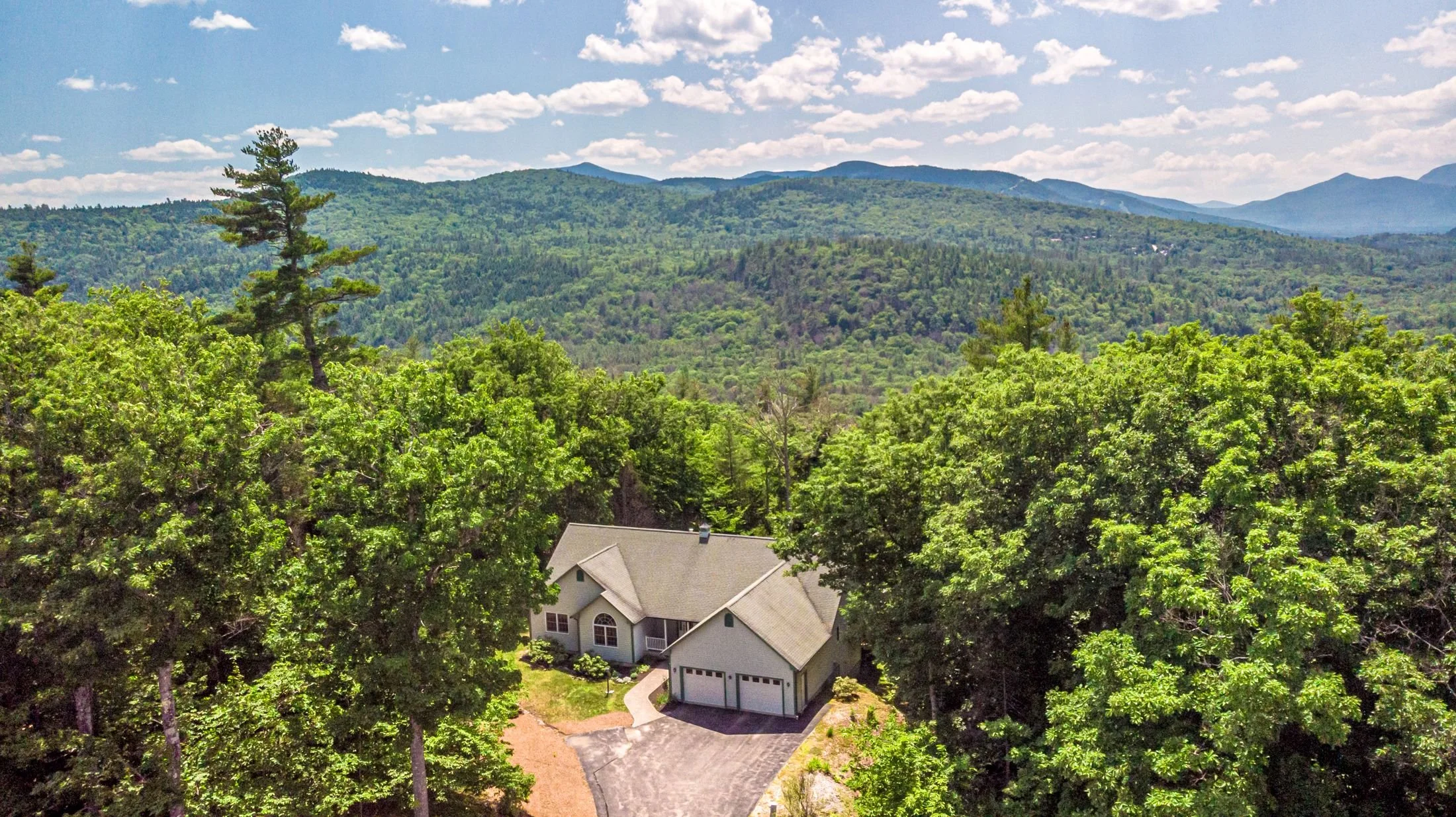
Written by Lisa Brouillette, REALTOR® with The Valley Realty at Keller Williams Coastal Lakes & Mountains Realty | April 12, 2026
If you're thinking about buying a home in Mt. Washington Valley, you're looking at one of the most distinctive real estate markets in New England... a place where ski mountains, covered bridges, and four-season recreation collide with a tight inventory market and some real financial complexity that listing photos don't tell you about. Whether you're looking for a primary residence, a vacation retreat, or a short-term rental investment, here's the honest, practical picture of what buying here actually involves. The Valley Realty team put this guide together because we believe informed buyers make better decisions… and better clients.
Key Takeaways
- Buying a home in Mt. Washington Valley means entering one of New Hampshire's most competitive, inventory-constrained markets, where the statewide median single-family price has held above $500,000 since early 2024 and reached $530,000 in Q1 2026, according to the NH Association of Realtors.
- New Hampshire has no state income or sales tax, but property taxes can run $3,000 to well over $10,000 annually depending on town and assessed value — verify current rates with the NH Department of Revenue Administration.
- Many MWV listings are older seasonal homes... built to lower construction standards... that require significant investment to convert for year-round living.
- Short-term rental income is possible but town-specific zoning rules vary widely — consult the NH Housing Toolbox and verify local ordinances before buying with that strategy in mind.
- Working with a local agent who knows individual MWV towns is one of the most practical advantages a buyer can have in a market where hyper-local conditions shift quickly.
Mt. Washington Valley Real Estate Market: What Buyers Should Expect in 2026
The Mt. Washington Valley real estate market is driven by a combination of four-season tourism demand and a structurally limited housing supply that has kept prices elevated even as parts of the broader national market have softened. Statewide, New Hampshire's median single-family home price climbed above $500,000 and has held there since early 2024, according to the NH Association of Realtors. In MWV specifically, where buildable land is constrained by the White Mountain National Forest boundaries and mountain terrain, that pressure is even more concentrated.
Inventory did tick upward in late 2025 across New Hampshire... by roughly 20% statewide... but that number is relative to historically depleted levels, not to any sense of a buyer's market. Competitive offers, multiple-bid situations, and cash buyers from out-of-state remain common in desirable MWV locations. If you're financing, being fully pre-approved before you start touring homes is not optional here. Because our inventory moves on a strict four-season resort calendar, serious buyers should also study the seasonal market patterns and expectations when listing a home so you know exactly when new waves of vacation properties are about to hit the market.”
Mortgage rates, as of early 2026, are expected to ease modestly from recent highs but are unlikely to fall below 6% in the near term. That means monthly carrying costs remain significant at MWV price points, and buyers should stress-test their numbers at current rates rather than hoping for a refinance to bail them out.
Understanding the Different Towns in Mt. Washington Valley
Mt. Washington Valley is not one town... it's a cluster of distinct communities and knowing the difference matters when you're making a purchase decision. The character, tax rates, zoning rules, and price points can vary meaningfully from one town to the next, even when properties are just a few miles apart.
North Conway home buying in particular deserves its own context as the commercial hub of the valley, it attracts the widest range of buyer types and the most active listing activity, but it also comes with the highest tourist traffic and the most complex short-term rental considerations.
Here's a general orientation to the major communities in the valley:
| Town | General Character | Common Buyer Profile |
|---|---|---|
| North Conway | Commercial hub, ski access, highest foot traffic | Vacation rental investors, lifestyle buyers |
| Conway | More residential, lower-profile, some services | Year-round residents, first-time buyers |
| Bartlett | Rural, close to Attitash, quieter | Ski-focused buyers, second home buyers |
| Jackson | Charming village, covered bridge, Nordic skiing | Upscale second home, luxury buyers |
| Madison | Lakes access, Conway Lake proximity, rural | Waterfront buyers, family retreats |
| Albany | Rural buffer, National Forest adjacency | Land buyers, privacy-focused |
At The Valley Realty, town-by-town knowledge is something we work with daily, and it makes a real difference when you're comparing properties just a few miles apart that carry very different tax rates, zoning rules, and long-term value trajectories. You can explore more on our all communities page.
Hidden Costs of Buying a Home in New Hampshire
The purchase price is only the beginning. The hidden costs of buying an NH home are substantial enough that buyers who don't plan for them can find themselves in financial trouble within the first year of ownership. Property systems can also affect your first-year costs, especially if the home has private wells, septic systems, older heating systems, or oil tanks. For homes on quieter rural roads, buyers should also understand how private road maintenance can affect access, plowing, and long-term ownership costs.
Property Taxes in New Hampshire
New Hampshire has no state income tax and no state sales tax, which is a genuine financial advantage. But the state funds local services almost entirely through property taxes, and those rates are among the highest in the country. In Carroll County, where most MWV towns sit, annual property tax bills can range from $3,000 to well over $10,000 depending on assessed value, town mill rate, and whether the property has any exemptions.
Different towns within MWV have meaningfully different effective tax rates. Jackson and Bartlett have historically had lower rates than Conway, but this shifts with local budget cycles. Always ask for the actual current tax bill on any property you're considering... not an estimate, the real number.
Transfer Tax
New Hampshire’s real estate transfer tax is $15 per $1,000 of the sale price, paid at closing and divided between the buyer and the seller. On a $550,000 purchase, that’s $8,250 total, or $4,125 on your side of the transaction. Factor this into your closing cost estimates.
Closing Costs
Beyond the transfer tax, expect closing fees (in New Hampshire, closings are handled by a real estate attorney or a title company, and Valley Realty maintains a local vendor list of trusted attorneys and contractors serving the MWV area), lender origination fees, title insurance, and prepaid expenses like homeowners’ insurance and escrow reserves. A reasonable estimate for total closing costs in NH is 2% to 4% of the purchase price, though your lender is required to give you a Loan Estimate early in the process.
Homeowners Insurance and Flood/Weather Considerations
Properties in the White Mountains face real weather exposure... heavy snow loads, ice, and the occasional flooding event near rivers and streams. If the property is near a floodplain, FEMA flood insurance may be required by your lender. Even outside mapped flood zones, insurance for mountain properties can be higher than buyers from more temperate climates expect. Get quotes before you close, not after.
Short-Term Rental Strategy: What MWV Buyers Need to Know
Buying a short-term rental property in NH is one of the most common motivations for buyers entering the Mt. Washington Valley market, and the idea of offsetting carrying costs through rental income is genuinely appealing given the four-season tourism economy here. The four-season tourism economy here is real, and peak winter rental demand driven by ski resort access... particularly December through February... can generate meaningful income for well-positioned properties.
But the short-term rental picture in MWV is more complicated than "buy a house, list it on Airbnb."
Zoning and local ordinances vary town by town. Some MWV communities have moved to regulate or restrict short-term rentals in response to the housing availability crisis, while others remain permissive. The regulatory landscape is actively evolving. Before purchasing a property with the intent to rent short-term, verify with the specific town's planning or zoning office that STR use is permitted for that property type and location.
Beyond zoning, consider:
NH rooms and meals tax applies to short-term rentals. This tax rate is currently 8.5% of the total reservation cost.
Management fees if you're not local (typically 20-30% of gross rental revenue for a professional property manager)
Seasonality... even in a strong MWV rental market, shoulder seasons (mud season in April and the slower fall weeks) can have significant vacancy
HOA rules if you're buying a condo or a property within a planned community
Waterfront and Ski-Adjacent Properties: The Premium Tier
Two property types in MWV command a meaningful premium and tend to attract the most competitive offer situations: waterfront and ski adjacent.
Waterfront inventory in New England is genuinely scarce. Lakes like Conway Lake and the surrounding ponds in Madison and other towns are largely built out. When lakefront or direct water-access properties do come to market, they attract buyers from across the northeast who understand that this type of inventory does not expand. Long-term appreciation in the waterfront tier has historically outpaced the broader MWV market, though no real estate outcome is guaranteed.
Ski-adjacent properties... those within easy access of Cranmore, Attitash, Black or King Pine... similarly attract competitive demand from buyers who want to minimize drive time from door to slopes. These properties often perform well as short-term rentals in the winter season, which adds an investment dimension to the lifestyle appeal.
If you're targeting either of these property categories, expect fewer options, faster-moving listings, and more competition. Having your financing fully squared away and your Valley Realty agent on speed dial for new listings is not an exaggeration in this segment.
New Hampshire Property Taxes: A Deeper Look for MWV Buyers
It's worth spending extra time on New Hampshire property taxes because they genuinely surprise buyers who are relocating from states with income or sales taxes. The tradeoff is real: no state income tax, no state sales tax, but property tax as the primary funding mechanism for schools, roads, and local services.
Carroll County towns fund their own school districts, road maintenance, emergency services, and municipal operations almost entirely through property tax revenue. When local budgets increase... or when a town's assessed values are updated... tax bills can shift significantly from one year to the next.
For a buyer considering the North Conway home buying market specifically, it helps to understand that the town of Conway (which includes North Conway village) has its own mill rate that differs from neighboring Bartlett or Jackson. Asking for a three-to-five year history of the tax bill on any specific property gives you a better picture of trajectory than just looking at the current year.
Some buyers qualify for property tax exemptions or credits (for example, for elderly residents or veterans). These are administered at the town level, so check with the specific assessor's office.
Why a Local Mt. Washington Valley Buyer’s Agent Matters
This guide can give you framework and context, but navigating the specifics of the current market requires local expertise that only comes from working it every day. At The Valley Realty, we walk buyers through every step of the process… from pre-approval through closing. We work this market daily, not occasionally from a broader NH territory.
Here's what that local depth looks like in practice:
Hyper-local transaction history: We close properties across the specific towns of MWV, not just "the area" and we can speak to the nuances of each one.
Seasonal home knowledge: We know how to spot the signs of a problematic seasonal conversion during a showing, before you spend money on an inspection.
Buyer-type experience: Whether you're looking for a primary residence, a vacation retreat, or a short-term rental investment, we work regularly with all three buyer types.
Off-market awareness: Our local network means we sometimes know about properties before they hit the MLS.
Frequently Asked Questions About Buying in Mt. Washington Valley
-
At current price points (median single-family above $500,000 in New Hampshire) and mortgage rates in the 6-7% range, a conventional loan on a $550,000 purchase with 20% down would carry a principal and interest payment in the range of $2,600-$2,900 per month. Most lenders use a debt-to-income ratio guideline of 43% or less, which means your gross monthly income would need to support that payment alongside any other debt obligations. The practical income threshold for a $550,000 home with standard financing is roughly $90,000-$110,000 annually for a single borrower, though this shifts with your down payment size, interest rate, and existing debts. Use your actual pre-approval numbers, not rules of thumb.
-
It depends on your timeline and motivation. For buyers who intend to hold a property for five or more years, the structural scarcity of MWV inventory and the continued appeal of the four-season lifestyle support long-term value. For buyers hoping to time the bottom of a price correction, MWV has shown stubborn price resilience even during broader market slowdowns. Mortgage rates are expected to ease modestly but not dramatically. If the right property at the right price comes available, the market conditions in 2026 are workable... just not easy.
-
Condos are prevalent in MWV, particularly near ski areas and in North Conway village, and they often come with HOA fees that can be substantial. Before buying a condo, review the HOA financials carefully... specifically the reserve fund health, any pending special assessments, and the rules around short-term rentals. Some MWV condo associations have specifically banned or restricted Airbnb-style rentals. Single-family homes offer more flexibility but come with full responsibility for maintenance... particularly relevant in a climate that is hard on structures.
-
New Hampshire uses both real estate attorneys to handle closings as well as title companies. You choose the title company or attorney, and the seller will have theirs. Offers are made through purchase and sales agreements, and the inspection period is a critical window to negotiate repairs or price adjustments based on what the inspector finds. New Hampshire is a "buyer beware" state, meaning seller disclosure requirements are more limited than in some other states... making your inspection investment especially important.
-
The most common ones:
underestimating property taxes and carrying costs
buying a seasonal home without fully understanding what year-round conversion would cost
purchasing a short-term rental property without first verifying local zoning allows it
skipping or skimping on the home inspection in a competitive offer situation.
In a market where inventory moves fast, the pressure to waive contingencies is real... but the financial exposure of buying a structurally compromised mountain property without an inspection can far exceed what you might have gained by winning that bid.
Ready to Find Your Place in the Valley?
The best time to start the conversation is while you're still exploring. Whether you're narrowing down your list of towns, planning a visit to the area, or just trying to figure out what life here actually looks like day to day... I'm happy to sit down with you (in person, by phone, or video chat) and talk through what each community is really like, what the market looks like right now, and what makes sense for your situation.
No pressure, no obligation. Just an honest conversation about what you're looking for and where to find it.
Let's Talk
