
Snow Load and Ice Dams in New Hampshire's White Mountains: What Buyers and Homeowners Should Know
Lisa Brouillette, REALTOR® | The Valley Realty | DATE
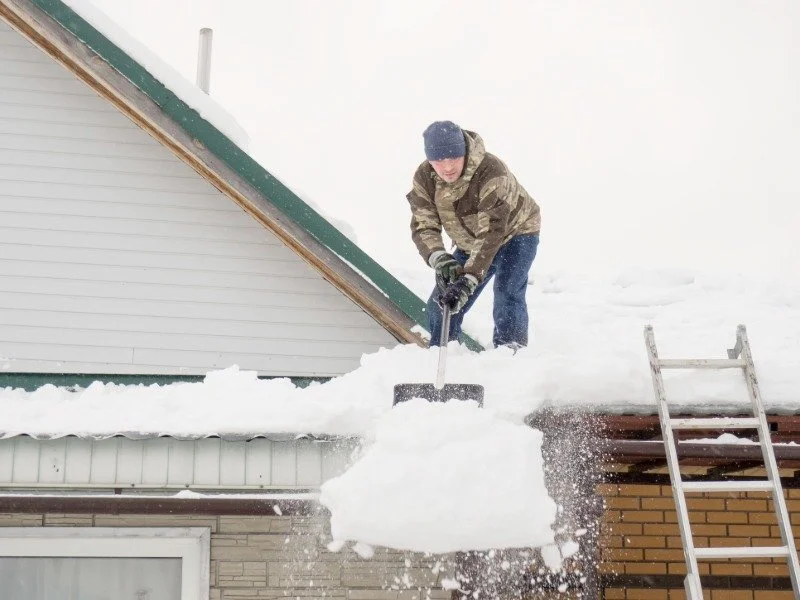
If you are buying or already own a home in New Hampshire's White Mountains, snow load and ice dams are part of what that house has to handle every winter. Snow load is the weight of snow and ice sitting on a roof, while ice dams are ridges of ice that form along the eaves and trap melting snow behind them, pushing water under the shingles and into ceilings and walls. Neither one is automatically a problem, but both leave clues behind, and those clues can tell you a lot about how heat moves through a house, how the roof has been built and changed over the years, and how well the home has been cared for. Persistent ice dams in particular are usually telling you something about the house itself, not just the roof.
Key Takeaways
- The kind of snow matters more than the amount: Fresh snow is light, but packed snow and ice add up quickly. One inch of ice weighs about as much as a foot of fresh snow.
- Ice dams usually start inside the house: Heat escaping into the attic melts snow on the upper roof, and the water refreezes at the colder eaves.
- The house leaves clues: Ceiling stains, attic moisture, cracked or reinforced rafters and spot-repaired shingles can all point to past snow and ice problems.
- Don't count on the paperwork: A past ice dam may not show up in the seller's disclosures, so ask directly and ask for repair records.
- Sellers benefit from documentation: Roof records, insulation work and repair invoices answer the questions buyers will ask before they ask them.
Snow Load: Why the Kind of Snow Matters More Than the Amount
Every roof is built to carry some amount of snow, and how much depends on where the home sits, its elevation, and how the building is put together. New Hampshire updated its state building code in July 2026, and the Structural Engineers of New Hampshire point out that the ground snow load for a given location is only the starting point for figuring out what a specific roof actually carries. Homes in the White Mountains are built for some of the heaviest snow in the state, which is one reason an older roof, an addition, or a porch built to a different standard deserves a closer look here. It is also why a concern about a particular property belongs with a qualified professional rather than a rule of thumb.
Weight Depends on the Type of Snow
On any given day, the load on a roof has less to do with how many inches fell than with what kind of snow is sitting up there. Fresh, fluffy snow is surprisingly light, while old snow that has settled and compacted weighs far more per inch, and ice is heavier still.
| Snow on the Roof | Approximate Weight |
|---|---|
| 10 to 12 inches of fresh snow | About 5 pounds per square foot |
| 3 to 5 inches of old, packed snow | About 5 pounds per square foot |
| 2 feet of old snow plus 2 feet of new snow | Could reach 60 pounds per square foot |
| 1 inch of ice | About the same as 1 foot of fresh snow |
Source: U.S. Department of Energy, Building America Solution Center
This is why a midwinter rain falling on an existing snowpack, or a long stretch of freezing and thawing, can put more stress on a roof than a single big storm. The rain soaks into the snow that is already there, and each freeze turns more of it into dense, heavy ice.
Warning Signs of Too Much Weight
A roof under too much load usually gives some warning before anything serious happens. The signs to watch for include a sagging or bowed roofline, creaking or cracking sounds, doors or windows that suddenly start sticking, and new cracks in walls or ceilings. Any of these deserves to be treated as urgent, and the right next step is a call to a qualified professional rather than a trip up a ladder.
How Ice Dams Form
According to the U.S. Department of Energy, ice dams form when warm air from the living space escapes into the attic and warms the underside of the roof, melting the snow on top. That meltwater runs down the roof until it reaches the eaves, which sit outside the heated part of the house and stay cold, and there it freezes again. As that ridge of ice builds, more water pools behind it with nowhere to go, and it can work its way under the shingles and into the attic, walls, and ceilings below.
The Department of Energy identifies sealing air leaks between the living space and the attic as the most important step in preventing ice dams, followed by insulating the attic and ventilating the roof. In other words, the cause usually starts inside the house, which is why roof-edge fixes alone rarely solve a recurring problem. Some homes are more prone to ice dams than others, including older homes with thin attic insulation, Capes with finished upstairs rooms and knee walls, homes with cathedral ceilings, and roofs with multiple valleys and dormers.
What the House Can Tell You
Most snow and ice problems happened during a past winter, so the evidence tends to be subtle by the time a home is on the market. If you are touring homes in summer or fall, you will not see icicles or ice ridges along the eaves, but you can often see what they left behind. The table below covers the most common clues and what each one may be pointing to.
| What You Notice | What It May Be Telling You |
|---|---|
| Water stains on ceilings near exterior walls, or one freshly painted ceiling patch | There may have been a past leak. Ask what happened and what was repaired. |
| Peeling paint or staining on exterior walls below the eaves | Water may have backed up into the wall. |
| Dark stains, frost marks or damp insulation in the attic | Warm, moist air may be reaching the roof deck. |
| Thin insulation, or gaps around light fixtures, the chimney or the attic hatch | Heat is likely escaping into the attic and melting snow from below. |
| Cracked, split or "sistered" rafters (a second board fastened alongside the original) | The roof framing may have been under stress or repaired at some point. |
| A sagging ridge, porch roof or garage roof | May reflect past snow load stress or a structural issue. |
| Gutters bent or pulled away from the fascia | Consistent with heavy ice building up at the eaves. |
| Shingle patches that don't match the rest of the roof | Spot repairs rather than a full replacement. Ask why. |
| Heat cables along the roof edge | Often added after ice dam problems. Worth asking about. |
Roof Shape and Past Changes
The shape of the roof matters as much as its condition. Valleys, dormers, and intersecting rooflines are the places where snow tends to pile up and meltwater collects, so they deserve extra attention. Pay particular attention to any spot where an addition's roof meets the original house, since those connections can interrupt the ventilation path through the attic and behave differently as snow melts and refreezes. If the roof has been changed or added onto over the years, it is worth knowing when, by whom, and whether the work was permitted.
Where the Snow Goes
It also helps to think about where snow lands when it comes off the roof. Snow sliding off a roof can come down on entry doors, decks, walkways, parked cars, or an outdoor oil tank, and where it lands affects how you will actually use the house in winter. None of these clues on its own means a house has a serious problem, but each one is a reason to ask more questions before you move forward.
Questions to Ask the Seller and Your Inspector
New Hampshire's seller disclosure requirements are more limited than in many other states, so it is not safe to assume that a past ice dam or roof leak will show up in the paperwork. Sellers may not connect an old ceiling stain with an ice dam, or they may simply not think to mention a repair from several winters ago. The best approach is to ask directly and to request invoices or records for any work that was done.
Questions for the Seller
✅ Has the home ever had ice dams or roof leaks, and what was repaired?
✅ How old is the roof, and are there records of when it was replaced?
✅ When the roof was replaced, was an ice and water barrier installed along the eaves?
✅ Has the attic been air sealed or insulated, or assessed by an energy auditor?
✅ Has the roof been changed or added onto, and were permits pulled for that work?
✅ Are there areas of the roof that drift or hold snow longer than the rest?
✅ Who has been clearing the roof in winter, and how often?
✅ Have there been any insurance claims for roof or water damage?
✅ For a condo, is the association or the owner responsible for roof snow removal and repairs?
The ice and water barrier question is worth explaining. Building code calls for a waterproof membrane along the eaves in areas with a history of ice damming, running from the roof edge to at least 24 inches inside the exterior wall line, so that water backing up behind an ice dam cannot get through the roof deck. In the White Mountains, it is a reasonable thing to expect on a newer roof and a reasonable thing to ask about on an older one.
Questions for Your Inspector
A standard home inspection covers the roof and attic, but it helps to be specific about what you want looked at. Ask your inspector:
✅ Will you go into the attic, rather than looking in from the hatch?
✅ How deep is the insulation, and are there air leaks around light fixtures, plumbing vents or the chimney?
✅ Do the rafters, ridge or roof sheathing show cracking, past repairs or moisture damage?
✅ Do you see signs of past leaks or ice dam damage in the attic or ceilings?
✅ Do you offer thermal imaging to check for hidden moisture in ceilings and walls?
If the inspector raises concerns about the roof or attic, the inspection period is the time to bring in a roofer or a structural engineer for a closer look. Once that window closes, your options for negotiating repairs or a price adjustment become much more limited.
If You Already Own the Home
For homeowners, the most useful short-term tool is a roof rake used from the ground to clear the bottom few feet of the roof after a storm, which removes the snow that feeds an ice dam. Climbing onto a snowy roof is dangerous, so anything beyond what you can safely reach from the ground is a job for a licensed, insured professional. Heat cables can keep a channel open for meltwater, but they manage the problem rather than solve it.
If ice dams come back winter after winter, the lasting fix is usually inside the house. An energy auditor or insulation contractor can find where warm air is escaping into the attic, and a roofer can tell you whether the ice and water barrier is doing its job. If you are already planning to replace the roof, that is the right time to make sure the barrier goes in properly.
What Sellers Should Know
Buyers in the Valley know to ask about roofs, and the questions above are the ones they will ask. Having the answers ready before you list makes your home easier for a buyer to feel confident about, and it keeps a roof question from turning into a negotiation surprise during the inspection period.
Start by gathering what you have, including when the roof was replaced, who did the work, whether an ice and water barrier was installed, and any records of insulation, air sealing, or leak repairs. Fix any active leaks before listing, and if you are selling in winter, keep the eaves clear, since icicles and ice dams are one of the first things a winter buyer will notice. If your home has had ice dam problems in the past, talk with your agent and your attorney about what to disclose. A past problem that was properly repaired and documented is much easier for a buyer to accept than one they discover on their own.
What About Insurance?
Insurance regulators note that interior and exterior damage caused by an ice dam is generally covered, but many policies do not pay to remove the ice dam itself. A sudden roof collapse from snow is normally covered as well, although damage tied to the roof's age or a pre-existing problem may be denied. (Connecticut Insurance Department)
Because policies differ, it makes sense to ask your insurance provider a few specific questions before closing: how they handle ice dam damage, whether the roof's age affects coverage, and what they require if the home will sit empty for part of the winter.
Why This Matters in the Mt. Washington Valley
Snow in the Valley does not fall and melt away. It sits on roofs for months through cold nights, sunny afternoons, and repeated freeze-thaw cycles, which are exactly the conditions that build ice dams and add weight. If you are buying this fall, your first winter will start almost as soon as you get the keys, which makes the inspection period your best chance to understand the roof, the attic, and what the house has been through.
Second homes add another layer to this. A house that sits empty for weeks at a time can collect a heavy snow load with no one there to notice, so if you are buying a vacation or ski home, plan for who will check on it, clear the roof, and plow the driveway before your first winter rather than during it. Roofs belong in the same conversation as private road access, heating systems, and winter access.
A home with an older roof or a past ice dam is not a reason to walk away. It is a reason to understand what you are buying and what it will take to own it well, which is a big part of buying a home in Mt. Washington Valley.
Frequently Asked Questions
Should I ask a seller about previous ice dams or roof leaks?
Yes. A past ice dam may not appear in New Hampshire disclosure paperwork, so ask directly what happened, what was repaired, who did the work, and whether there are invoices or insurance claims.
Should I hire a roofing specialist in addition to my home inspector?
For older homes, complex rooflines, or any home where the inspector flags roof or attic concerns, it is worth it. A general home inspector covers the whole house, while a roofer focuses on the roof itself. If there is sagging or a framing concern, a structural engineer is the right call. Schedule any follow-up during your inspection period.
Can I get homeowners insurance on a house with past ice dam damage?
Usually, yes, but it depends on the insurer and on whether the damage was properly repaired and documented. Ask the seller for repair records and claims history, and get an insurance quote on the specific property before your inspection period ends.
Does a metal roof or a steep roof prevent ice dams?
They help snow slide off, which reduces buildup, but neither one fixes the heat loss that causes ice dams. A steep or metal roof over a poorly insulated attic can still form ice at the eaves. Metal roofs can also drop snow all at once, so look at what sits below them. Snow guards can help control it.
Does heavy snow automatically mean a roof needs to be cleared?
Not necessarily. Roofs are built to carry snow, and what matters is the weight, not the depth. Packed snow, ice and rain-soaked snow are much heavier than fresh powder. Clearing the bottom few feet with a roof rake helps prevent ice dams, and signs like sagging, creaking or sticking doors mean it is time to call a professional. If the home is a second home, arrange for someone to check on it after big storms.
Thinking About Buying or Selling in the White Mountains?
If you are buying or selling in the Mt. Washington Valley, the details behind the house matter as much as the listing photos. Roofs, insulation, heating, wells, septic, private roads, and winter access all shape what ownership will actually feel like.
If you are trying to sort through those details, I'd be happy to talk it through with you. We can meet in person, talk by phone, or set up a video chat, whatever feels easiest for you.