
Lisa Brouillette, REALTOR® | The Valley Realty | November 20, 2026
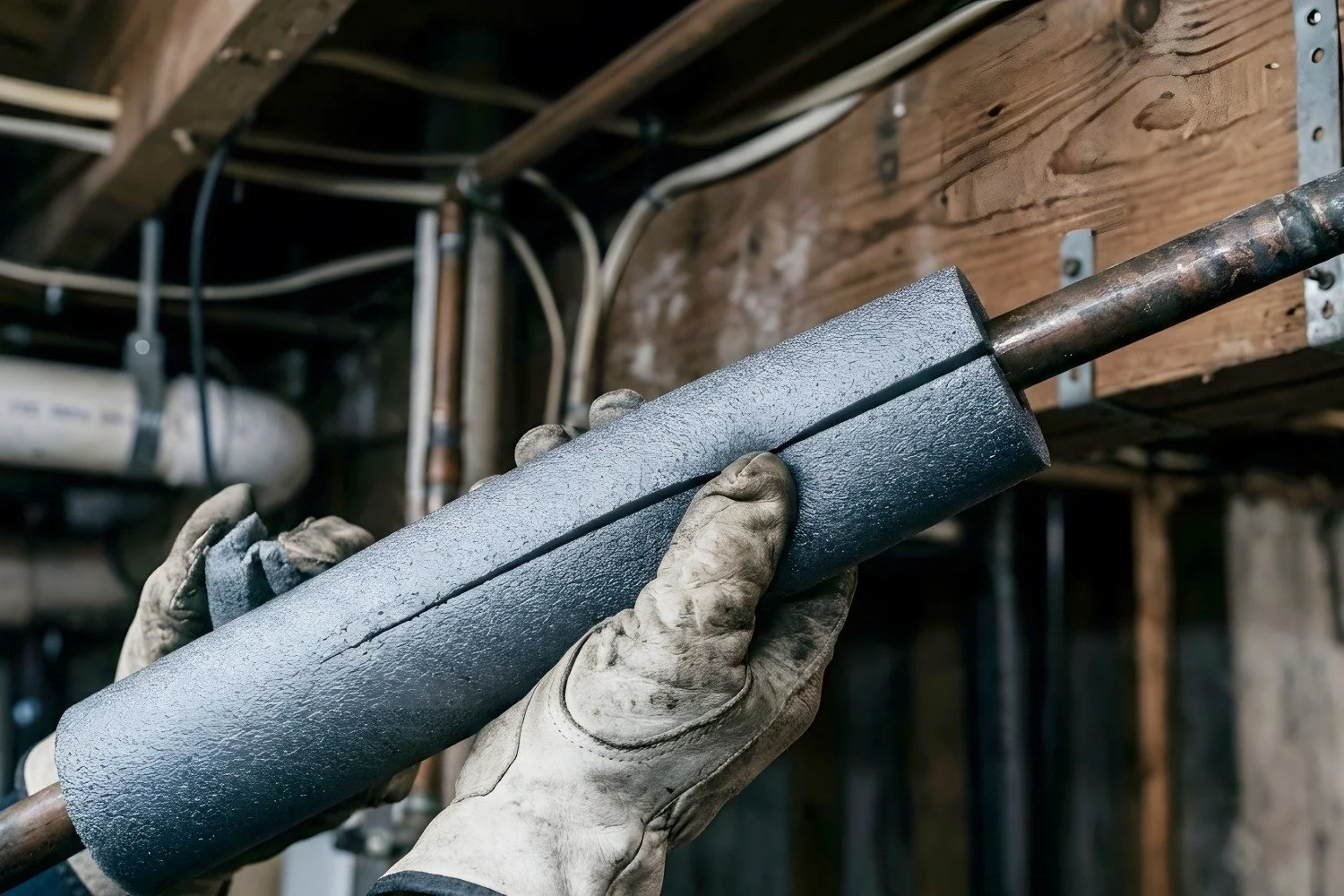
Winterizing a vacation home in New Hampshire comes down to one choice: keep the heat on and have someone watch the house, or shut off the water and drain the plumbing. Either one protects the pipes, which is where most winter damage to an empty home starts. The right choice depends on how often you'll use the house between December and March, how it's heated, and what your insurance policy asks for.
Most of the second-home owners I work with in the Mt. Washington Valley keep the heat on, because they come up to ski. Whichever way you go, the plan needs to be in place before the first hard freeze, and it needs someone local in it. Below, I walk through both approaches, the temperature to set, the call to make to your insurer, and who can watch the house when you’re not here.
Key Takeaways
- Two approaches: A vacation home is winterized either by keeping the heat on with someone checking the house, or by shutting off the water and draining the plumbing.
- Thermostat: The American Red Cross minimum for an empty home in cold weather is 55°F, and I advise 58°F, or closer to 60°F in an older house.
- Insurance: Standard homeowners policies typically cover a burst pipe in an unoccupied home only if the owner kept the heat on or shut off the water and drained the system.
- Wells and septic: Snow left undisturbed over a septic tank and leach field insulates the system, so plows and snowmobiles should stay off it.
- Watching the house: Smart devices such as a freeze alarm and a water-leak sensor report a problem to your phone, and a local caretaker is the person who goes and fixes it before the pipes freeze.
Heat On or Drained: The Two Ways to Winterize
A vacation home goes through a New Hampshire winter either heated or drained. A heated home keeps its plumbing live and depends on the furnace, the fuel supply and the power all staying on. A drained home has no water left to freeze, but it can't be used again until the water is turned back on.
| Heat on and watched | Shut off and drained | |
|---|---|---|
| Best for | Homes used on winter weekends or rented | Seasonal camps and homes closed until spring |
| What it involves | Thermostat at 58°F or higher, fuel on automatic delivery, monitors and a caretaker | Water off at the main, lines and water heater drained, non-toxic antifreeze in the traps |
| What can go wrong | The furnace quits, the fuel runs out or the power fails during a cold snap | Water left in a low spot, a trap or an appliance freezes anyway |
| Who does the work | You, with a caretaker through the winter | A plumber, in the fall and again in the spring |
| Cost through the winter | Heating fuel and caretaker visits | Very little until spring |
Neither way is wrong. A drained camp and a heated ski house can both be well cared for. The trouble comes in between, when the heat is turned down low and nobody is checking.
Homes with hot water baseboard or radiant floor heat are a special case. The heating system holds water too, so draining the house involves your heating contractor as well as a plumber.
What Temperature to Leave a Vacant House in Winter
The American Red Cross says to set the thermostat no lower than 55°F in a home left empty in cold weather. The number sits well above freezing on purpose: the thermostat reads the air in the main room, and pipes inside outside walls, under sinks and in crawl spaces sit in colder air than that. I'd rather see a client spend a little more on fuel than save a few dollars at 50 degrees and gamble on the pipes.
Older homes and homes with plumbing on outside walls need more margin. I advise 58°F, and closer to 60°F for older homes like the ones we see in the village.
Two small steps help the heat do its job. Leave the cabinet doors open under sinks so warm air reaches the pipes, and put fresh batteries in the thermostat before you leave, since a dead thermostat means no heat.
Call Your Insurer Before You Leave
Standard homeowners policies typically exclude freeze damage in an unoccupied home unless the owner used reasonable care to keep the heat on, or shut off the water and drained the system. The New Hampshire Insurance Department advises that most policies require a minimum temperature or the water shut off when a home is vacant, and that skipping those steps can lead to a denied claim.
Second-home policies vary, and some add conditions of their own. Ask your insurance agent three questions before you close up:
What does my policy require while the house is unoccupied?
Is there a minimum temperature I have to keep, or a rule about shutting off the water?
Does it matter how long the house sits empty, or how often someone checks on it?
I tell my clients to make this call before the first cold week, not after something has gone wrong.
Keep your fuel delivery slips and your caretaker's visit notes through the winter. They are a simple record that the heat was on. Those same records answer a buyer's questions if you ever sell, which I cover in my guide to how selling a home works in New Hampshire.
Closing-Up Checklist for a Heated Home
This is the list I walk through with second-home owners who keep the heat on.
✅ Fill the oil or propane tank and set up automatic delivery.
✅ Have the furnace or boiler serviced in the fall.
✅ Set the thermostat to 58°F or higher and put in fresh batteries.
✅ Ask your plumber whether the water can be shut off at the main while you're gone. With some heating systems it can't.
✅ Disconnect garden hoses, close the inside valves to the outdoor faucets, then open those faucets so they drain.
✅ Open the cabinet doors under sinks on outside walls.
✅ Empty the refrigerator and take home any food that could attract mice.
✅ Install a low-temperature alert and a water-leak sensor that reach your phone.
✅ If the home has a generator, test it and top off its fuel before you leave.
✅ Mark the driveway edges, wellhead, septic cover and propane tank with tall stakes for the plow.
✅ Give your caretaker a key, the alarm code and the phone numbers for your plumber and fuel company.
If You Drain the House Instead
A full drain-down is a plumber's job the first time, since every house has low spots where water sits. It generally includes:
Shutting off the water at the main, and the well pump at the breaker
Opening every faucet and draining the supply lines
Draining the water heater with its power or gas turned off
Emptying the toilets and clearing the dishwasher, washing machine and ice maker
Adding non-toxic RV antifreeze to sink traps, toilets and floor drains, never automotive antifreeze
Wells and Septic
Most homes outside the village centers here have a private well and a septic system, and each needs a few steps of its own.
Leave the snow alone over the septic tank and leach field. Snow cover insulates the system, and driving over the leach field compacts the soil and can damage it, so keep plows, vehicles and snowmobiles off it.
Fix dripping faucets and running toilets before you leave. A slow trickle into a cold septic line can freeze inside the pipe.
Protect the well equipment. A pump or pressure tank in a well house or crawl space needs insulation or heat, or needs to be drained with the rest of the house.
Label the shutoffs. Tag the well pump breaker and the main water valve so a caretaker can find them in a hurry.
If the home is new to you, my guides to buying a home with a septic system and well water testing explain how these systems work.
Who Watches the House
A heated house is protected only while the heat is running, and from a few hours away you won't know it has stopped. A local caretaker/property manager closes that gap. Their visit usually covers:
The indoor temperature, and that the furnace or boiler is running
The fuel tank level
Signs of a leak under sinks, around the water heater and in the basement
Snow or ice blocking the furnace vents, the propane regulator and the doors
Storm damage, the state of the driveway and any sign of mice
Note: If the homeowner doesn’t have sensor alarms on the heat, I recommend weekly checks.
Line up plowing services before the first snow and walk the property with the plow driver so they know where the septic system, wellhead and propane tank are.
I keep a list of local caretakers, plow services, plumbers and heating contractors that my clients have used, and I'm glad to share it. For roof snow and ice dams, see my guide to snow load and ice dams in the White Mountains.
Smart Home Devices for the Days Between Visits
Smart home devices cover the days between a caretaker's visits. None of them can see inside a pipe. They watch for what comes before or after a freeze: falling temperature, lost power, and water where it shouldn't be.
| Smart device | What it tells you | Good to know |
|---|---|---|
| Smart thermostat or Wi-Fi freeze alarm | The indoor temperature has dropped below a level you set | Needs internet at the house. A second sensor near pipes on an outside wall or in the basement catches cold spots the thermostat misses |
| Cellular freeze alarm | Temperature and power loss, sent over the cell network | Works with no internet, and many keep reporting on battery when the power is out |
| Smart water-leak sensor | Water on the floor under a sink, by the water heater or in the basement | It alerts you after a leak has started |
| Smart water shutoff valve | Unusual water flow, and it closes the main line without anyone there | Usually installed by a plumber. Some insurers discount a policy for one, so ask yours |
I like these devices, and I still wouldn't trust a house to an app alone. When an alert comes in, someone local has to go and fix the problem, so set the alerts to reach your caretaker as well as you.
Why This Matters in the Mt. Washington Valley
The average January low in North Conway is 9.9°F, and the village averages 84 inches of snow a year, according to Mount Washington Observatory records. Cold snaps go far lower. On February 4, 2023, North Conway dropped to 14 below zero.
Power is the other weak point. A nor'easter on April 4, 2024 cut power to about 43% of New Hampshire Electric Co-op's customers, Conway was among the hardest-hit towns, and the utilities called the repair a multi-day effort. A furnace or boiler needs electricity to run, so a house with a full fuel tank can still go cold.
Many of the second homes I sell sit on private roads, on wells, and a few hours from their owners. That is why I tell every owner to have a caretaker and a plow service in place before the first snow. For my buyers, I start those introductions before the purchase is complete, so the house is covered from the day they own it.
If You're Buying a Second Home, Ask How It Has Been Wintered
A home's winter history is part of what you're buying. A house that has been heated every winter has been tested by the cold. A seasonal camp that has always been drained may have plumbing and insulation that were never meant for January.
Questions for the seller:
✅ Has the home been heated every winter, or shut down and drained?
✅ Has a pipe ever frozen, and where?
✅ Who has been the caretaker and the plow service?
✅ What does a winter of heating fuel cost?
✅ Is there a generator, and what does it run?
I ask these on every second home I show, and my buyers have the answers before they write an offer. For everything else to check, see my guide to buying a second home in the Mt. Washington Valley.
Frequently Asked Questions
-
Only if the water is shut off and the plumbing is fully drained first. An unheated house with water in its pipes will freeze in a New Hampshire winter. Check with your insurer before you decide, since your policy may set its own conditions for an empty house.
-
Once a week is a reasonable minimum, with an extra visit after a heavy storm, a power outage or a run of sub-zero nights. Ask your insurer whether your policy expects a set schedule.
-
Yes, on a smaller scale. The association usually handles plowing and the outside of the building, but the heat and plumbing inside your unit are yours. Keep the thermostat at 58°F or higher and ask the association what it requires of owners who are away, since a frozen pipe in one unit can damage the units around it. My guide to HOA fees and rules covers what else to ask.
-
Some do. A smart thermostat, Wi-Fi freeze alarm or leak sensor needs working internet at the house, so the service has to stay on all winter. Those devices also go quiet when a storm knocks out the power and the router with it. A cellular freeze alarm sends its alerts over the cell network and usually has a battery backup, so it keeps reporting through an outage. Check the cell signal at the house before you buy one, since coverage in the mountains can be uneven.
Thinking About a Second Home in the Valley, or Already Own One?
If you're considering a second home here, or you own one and want a better winter plan, I'd be happy to talk it through with you. I've worked with buyers and sellers in the Mt. Washington Valley and Western Maine for more than 26 years. We can meet in person, talk by phone, or set up a video chat, whatever feels easiest for you.
