
Waterfront Properties in Mount Washington Valley: What Buyers Need to Know About Location and Value
Written by Lisa Brouillette, REALTOR® | The Valley Realty | June 4, 2026

If you have been searching for waterfront properties in Mount Washington Valley, you have probably already noticed that "waterfront" covers an enormous range. A cottage on a quiet glacial pond in Madison and a lakefront home on Conway Lake are both technically waterfront... but they are not remotely the same purchase, the same lifestyle, or the same long-term investment. Before you start touring, it helps to understand what you are actually choosing between. That is what this guide is for.
Key Takeaways
- Waterfront properties in Mount Washington Valley are not one market... they span lakes, rivers, ponds, and shared-access communities, each with its own character and buyer.
- Location, not square footage, is the single biggest driver of value on the water.
- Conway Lake is the valley's premier waterfront address, prized for its White Mountain views and limited development.
- Saco River frontage offers a different ownership experience than lakefront, and it requires flood-zone and shoreline research before you buy.
- Knowing which water body matches your life before you tour saves time and prevents disappointment... and that part is worth a real conversation.
The Valley's Waterfront Landscape: More Variety Than Most Buyers Expect
Mount Washington Valley sits in Carroll County, and it holds a surprisingly diverse set of water bodies... each with its own character, buyer profile, and feel. You are not choosing between "waterfront" and "not waterfront." You are choosing among several genuinely different kinds of ownership, and each one behaves differently.
The major waterfront categories in the valley include:
Large premier lakes (Conway Lake)
Large recreational lakes outside the Conway Lake premium (Silver Lake in Madison, Ossipee Lake in Freedom)
Rivers (the Saco River, and the Swift River along the Kancamagus corridor)
Smaller glacial ponds (Pea Porridge Pond and others in the Madison and Freedom area)
Waterfront condominiums and shared-access communities (common in and around North Conway)
Understanding which category fits your priorities is the most important decision you will make before you ever look at a listing. Each tier carries its own range of value, and where a given property lands depends on far more than size. If you want help figuring out which category fits your goals, that is exactly the kind of thing I can walk you through.
If you are just beginning to explore the area, looking over our community overview is a great place to start comparing what each unique town has to offer.
Conway Lake: The Valley's Premier Waterfront Address
Conway Lake is widely regarded as the most desirable body of water in the valley, and its standing reflects that. Straddling Conway and Eaton, the lake spans roughly 1,316 acres and offers something most New Hampshire lakes cannot match: unobstructed sightlines to the White Mountains from the water.
The buyer pursuing Conway Lake real estate is purchasing more than a house. They are purchasing a specific view, a specific level of quiet, and direct access to one of the cleaner, less-developed large lakes in the region. That combination is why it sits at the top of the valley's waterfront market.
What sets Conway Lake apart:
Mountain views. Few lakes in the state offer comparable White Mountain panoramas from the shoreline.
Limited development. Fewer properties means less inventory and more enduring demand.
Water quality. Clean, clear water supports swimming, kayaking, and fishing.
Year-round access. Many properties are suited to full-time living, not just seasonal use.
There is also a practical ownership advantage on a lake this size. Under New Hampshire's dock rules, permanent piling or crib docks may only be permitted on lakes larger than 1,000 acres. At 1,316 acres, Conway Lake qualifies, while the valley's smaller ponds generally do not... one more reason Conway Lake frontage holds its standing.
Well-maintained Conway Lake listings tend to draw strong interest, so it helps to be ready to move when the right one appears. If you are watching this lake specifically, I can keep an eye on inventory for you in real time.
Madison and Freedom Lakes: Big Water, Different Tier
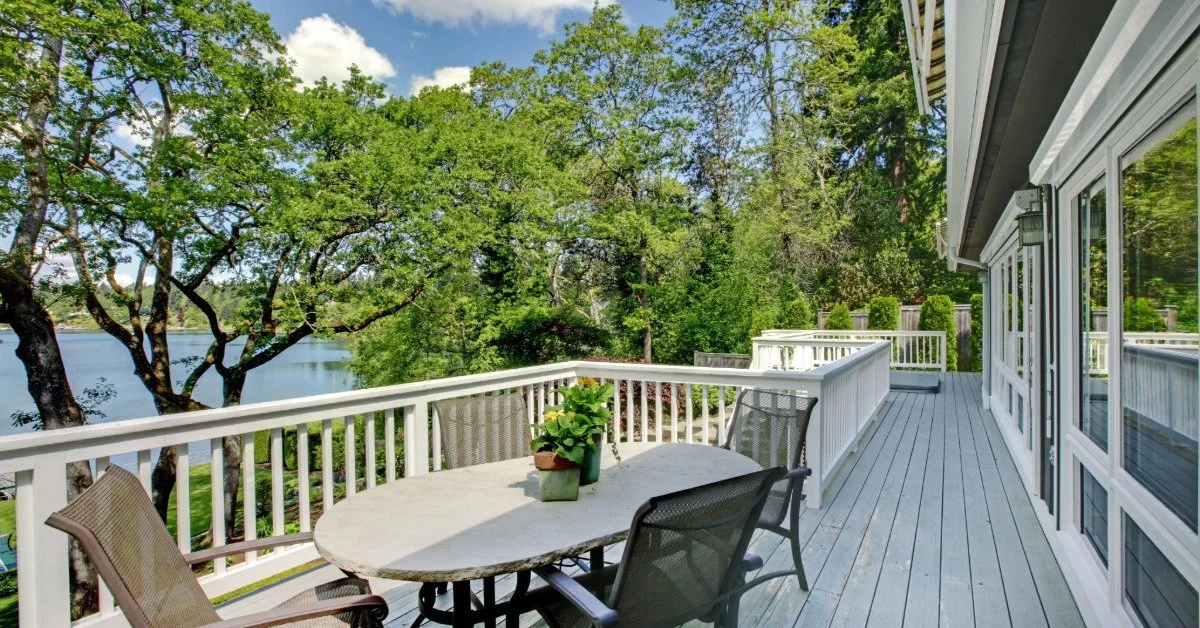
Silver Lake Madison NH and Ossipee Lake in Freedom sit in the valley's more accessible large-lake tier, and they attract a different buyer than Conway Lake does. These are not small ponds. Silver Lake covers roughly 969 acres, and Ossipee Lake spans about 3,257 acres, making it the sixth-largest lake entirely within New Hampshire. What distinguishes them from Conway Lake is not size but position in the market. They tend to be vacation-focused purchases... families looking for a seasonal retreat, second-home buyers, and people who want substantial water and real recreation without paying the Conway Lake premium.
What shapes value within this tier:
Whether the property has private frontage or shared beach and dock access
Whether the structure is built for year-round or seasonal use
Lot size and proximity to the water's edge
Which community the property belongs to, since some carry HOA structures and shared amenities
Ossipee Lake is broken into several connected bays... Broad Bay, Berry Bay, and Leavitt Bay among them... and the specific bay and frontage type matter a great deal to both how you use the property and what it is worth. Ossipee clearly exceeds the 1,000-acre permanent-dock threshold; Silver Lake sits just under it, so dock options there are worth confirming property by property. These are exactly the kinds of details I check before a client falls for a listing.

Saco River Frontage: A Different Kind of Waterfront Property
River-front ownership is one of the most misunderstood categories in this market. It feels romantic... and it genuinely can be... but it carries considerations that lakefront does not.
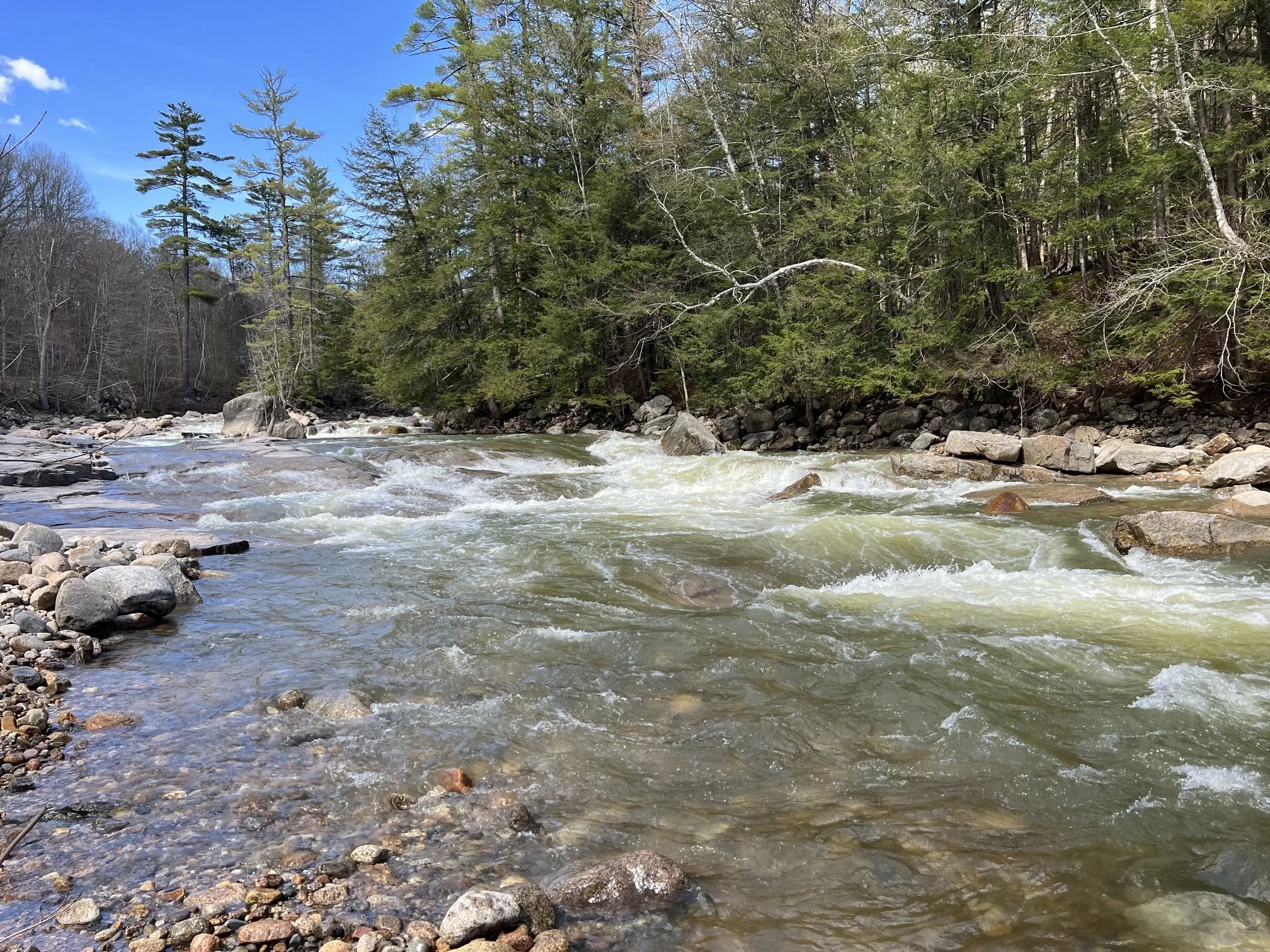
Saco River frontage NH properties in the Bartlett, Jackson, Conway and North Conway area often feature dramatic mountain backdrops and access to some of the best fly fishing and kayaking in northern New England. Before you commit to river frontage, here is what to research:
Flood-zone designation. River-front properties in New Hampshire are frequently in FEMA-designated Special Flood Hazard Areas, and Carroll County has seen several federally declared flooding events in recent years, so this is not a remote concern. FEMA flood maps are updated continuously, so always confirm the current designation for a specific parcel through the FEMA Flood Map Service Center. It affects both your insurance costs and your lender's requirements.
Shoreline and dock regulation. In New Hampshire you may own the land but not the water itself... lakes and rivers are public-trust resources. Work at the water's edge, including dock installation and shoreline stabilization, is regulated by the state under the Fill and Dredge in Wetlands law (RSA 482-A) and requires a wetlands permit.
Seasonal flow variation. The Saco runs high in spring and can run low in late summer. Your "river view" may look very different depending on when you visit.
The Swift River, which runs along the Kancamagus corridor through Albany and into Conway, offers similar character, often for properties with shared or partial frontage.
Smaller Glacial Ponds: Quieter Water in Madison and Freedom
For buyers who want something more intimate, the smaller glacial ponds in the Madison and Freedom area offer a genuinely different character. Pea Porridge Pond is a good example. These tend to be quieter, less motorized, and family-friendly, and because they fall under the 1,000-acre threshold, water access is typically a seasonal dock or shared beach rather than a permanent dock.
One thing to clarify before you fall in love with a listing: "waterfront" in these communities sometimes means deeded beach access rather than private shoreline. That is a meaningful difference in daily use and long-term value. Always confirm the exact nature of water access in the purchase and sale agreement... and if you are not sure how to read what a listing is actually offering, ask me.
Waterfront Condominiums: Entry-Level Access in North Conway
For buyers who want the waterfront lifestyle without the commitment of a single-family home, waterfront condominiums in and around North Conway offer a more accessible entry point into Carroll County waterfront homes.
These properties typically feature shared access to water... community docks, beaches, or river-adjacent settings... rather than true private frontage. The tradeoff is straightforward: you gain accessibility and reduced maintenance responsibility, but you give up the privacy and control that private-frontage ownership provides. For many buyers, especially those who want lake time without lake chores, that is a trade well worth making.
What Actually Drives Price Variation in This Market
Buyers often assume square footage and bedroom count are the primary value drivers for lakefront property New Hampshire buyers are considering. In this market, they are not. Here is what actually moves the needle:
The water body itself. Conway Lake holds a standing that no amount of interior renovation on a smaller pond can match. The lake is the asset.
Frontage length. More linear feet of private shoreline consistently carries more weight, sometimes more than the home's square footage.
Orientation and view. South and west-facing properties capture afternoon sun and mountain views. North-facing lots on the same water tend to be valued lower.
Seasonal vs. year-round use. A home built for three-season use needs real investment to become a full-time residence. Buyers often underestimate that cost.
Access and road conditions. Properties on private or unmaintained roads can face seasonal access challenges that may also affect financing. Confirm road maintenance responsibility before making an offer.
Shoreland regulations. New Hampshire's Shoreland Water Quality Protection Act (RSA 483-B) governs what you can build near the water. The protected shoreland extends 250 feet back from the reference line, primary structures must sit at least 50 feet back, and accessory structures at least 20 feet back. Valley towns can and do enact stricter local rules, so always confirm both state and town requirements for a specific property.
Because these factors interact differently on every property, Mount Washington Valley home prices for waterfront vary widely and shift with the market. Rather than quote figures that change with the season, I would rather sit down with you and talk through what your priorities are worth in today's market. That conversation is far more useful than any number on a page.
Using This as Your Waterfront Property Buyer Guide NH
Your Waterfront Property Buyer Guide: A Practical Pre-Tour Checklist
The most useful thing a waterfront property buyer guide NH buyers can rely on does is help you build the right questions before you start touring. Bring these to every showing:
What is the exact nature of water access? Private frontage, deeded rights, or community access?
What is the FEMA flood-zone designation for this parcel?
Is there an existing dock or a permitted dock location? New docks require a wetlands permit from NH DES, and permanent docks are only permittable on lakes larger than 1,000 acres.
Is the road town-maintained, privately maintained, or seasonal only?
What is the water body's motorized-boat policy? Some smaller ponds are non-motorized.
Is the property on town water and sewer, or well and septic? Septic systems near water must meet state setback requirements, which can range from 50 to 125 feet depending on soil conditions.
What does the property look like in mud season and after a high-water event?
These questions will not make you a less enthusiastic buyer. They will make you a smarter one. If you want to talk through these details or take a closer look at waterfront listings currently on the market, feel free to visit my contact page so we can schedule a time to talk.
Frequently Asked Questions
-
Start with how you intend to use the property. A buyer who wants a year-round home with big-lake recreation and mountain views is looking at a different category than someone who wants a quiet seasonal cottage on a no-wake pond. Once you know how you want to spend your time on the water, the right category... and the right towns... narrow down quickly. This is the part I most enjoy helping with, because matching the buyer to the water is what makes the rest of the process easy.
-
Conway Lake is the most sought-after body of water in the valley, but it is not the only quality option. Saco River frontage, Silver Lake in Madison, Ossipee Lake in Freedom, and a number of smaller glacial ponds all offer genuine waterfront character. The right choice depends entirely on how you intend to use the property.
-
Many Saco River-adjacent properties fall within FEMA Special Flood Hazard Areas, which can make flood insurance a lender requirement rather than an optional purchase. You can check the current flood designation for a specific parcel through the FEMA Flood Map Service Center. The cost and availability of flood insurance should be part of your total ownership budget before you make an offer.
-
Private waterfront means your lot includes direct shoreline ownership... your own stretch of water's edge, the right to install a dock subject to NH DES permitting, and full control over that access. Shared beach access means you have a deeded right to use a community beach or dock area, but you do not own the shoreline itself. Both can be excellent. They are simply different products with different values, and you should confirm which one you are buying before proceeding.
-
Waterfront in the valley, particularly Conway Lake real estate and Saco River frontage, tends to move faster than standard residential listings during peak spring and summer. Desirable homes with strong views and year-round access can attract offers within days. Working with someone who watches this specific inventory in real time gives you a real advantage... and that is exactly the kind of watching I do for my clients.
Ready to Find Your Place on the Water?
Waterfront buyers in this valley do their homework. If you are at the point where you are evaluating specific properties, weighing one lake or river against another, or trying to understand what actually drives value at the water's edge... that is exactly the conversation I am built for.
I work exclusively in this valley. I know which waterfront properties are priced with intention and which are not, how Conway Lake differs from the Madison and Freedom lakes in ways that never show up in a listing, and what to confirm about access, frontage, and shoreland rules before you ever make an offer.
When you are ready to talk, I am ready to listen.
Let's connect.
